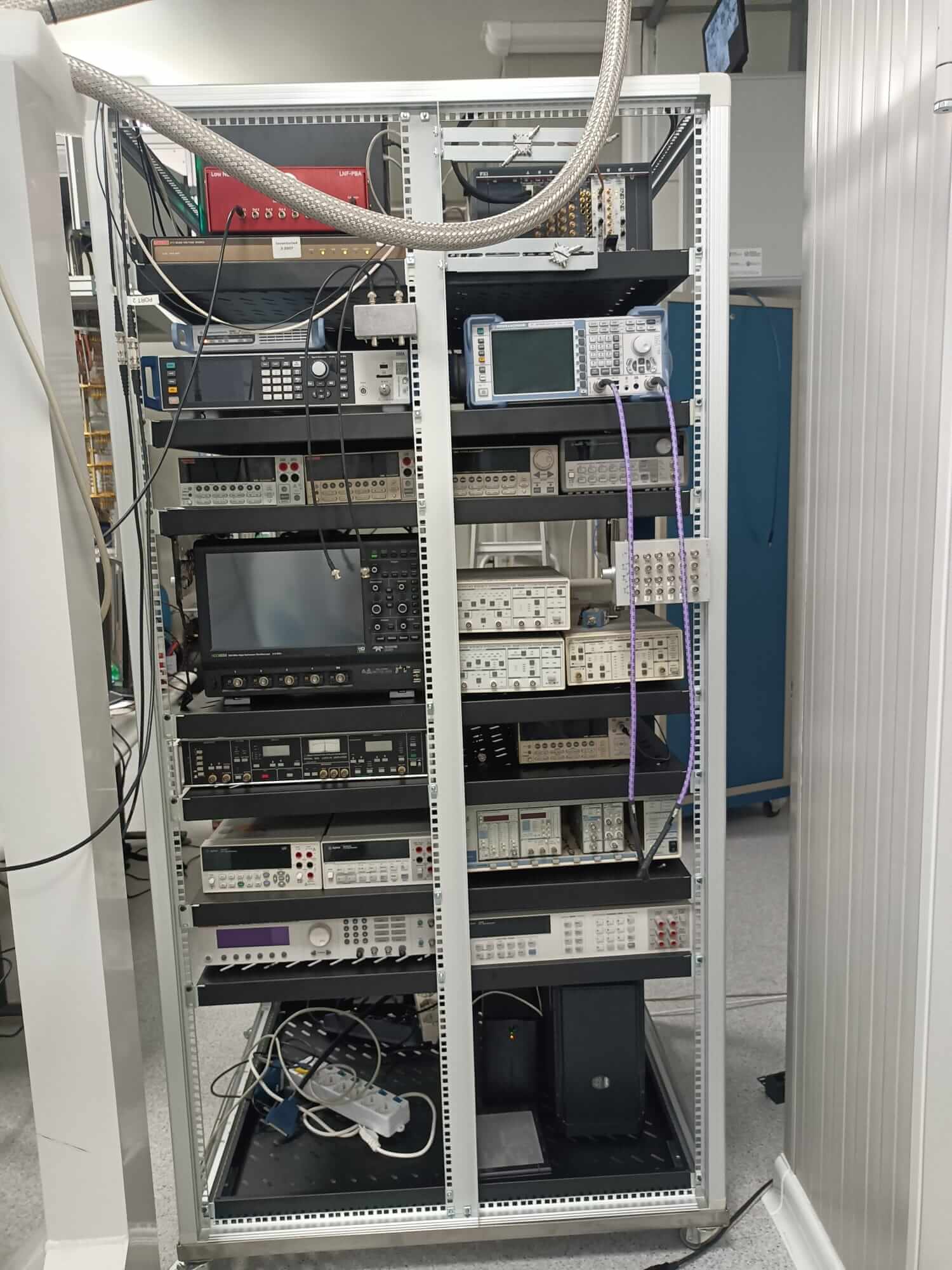
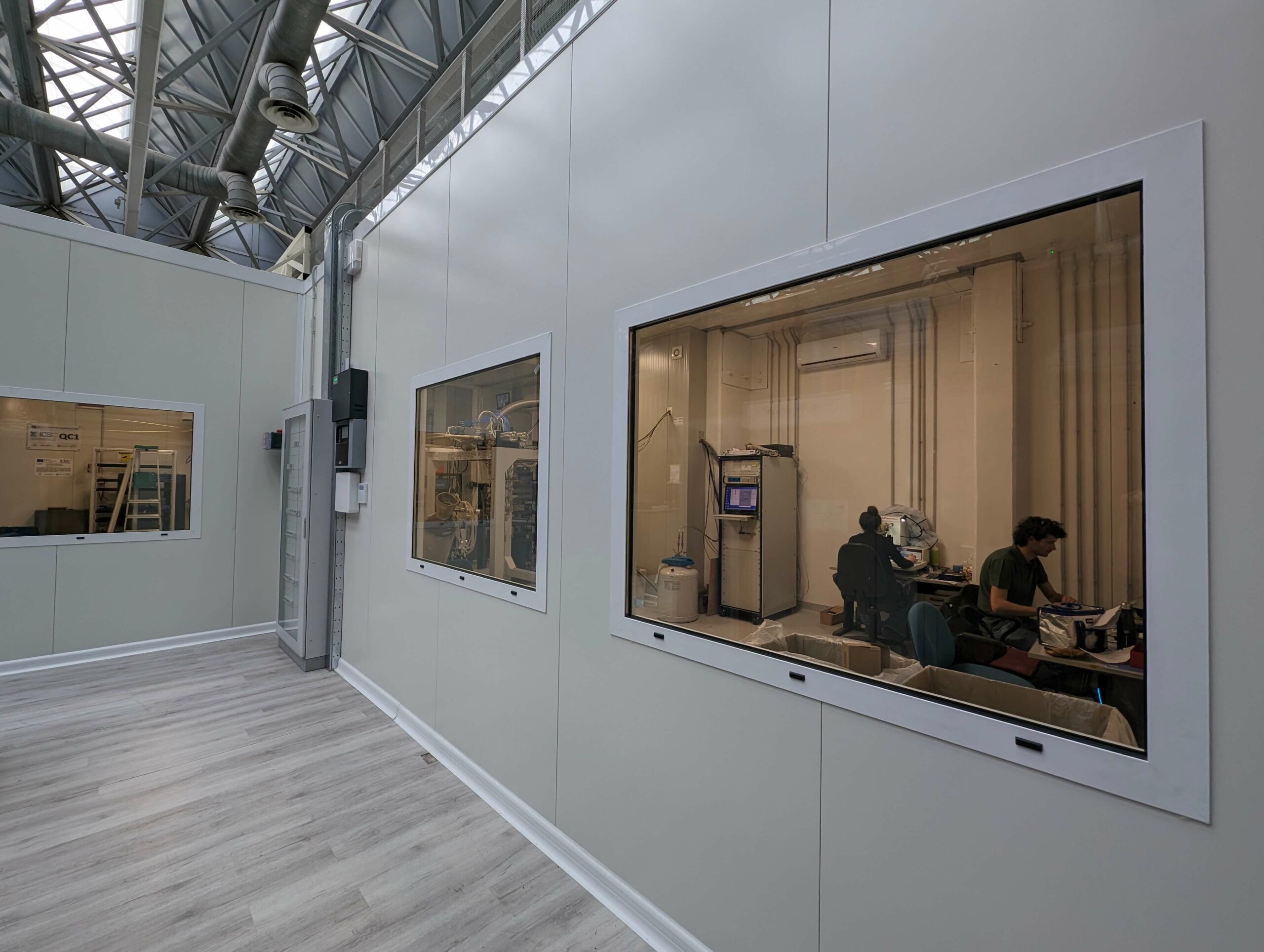
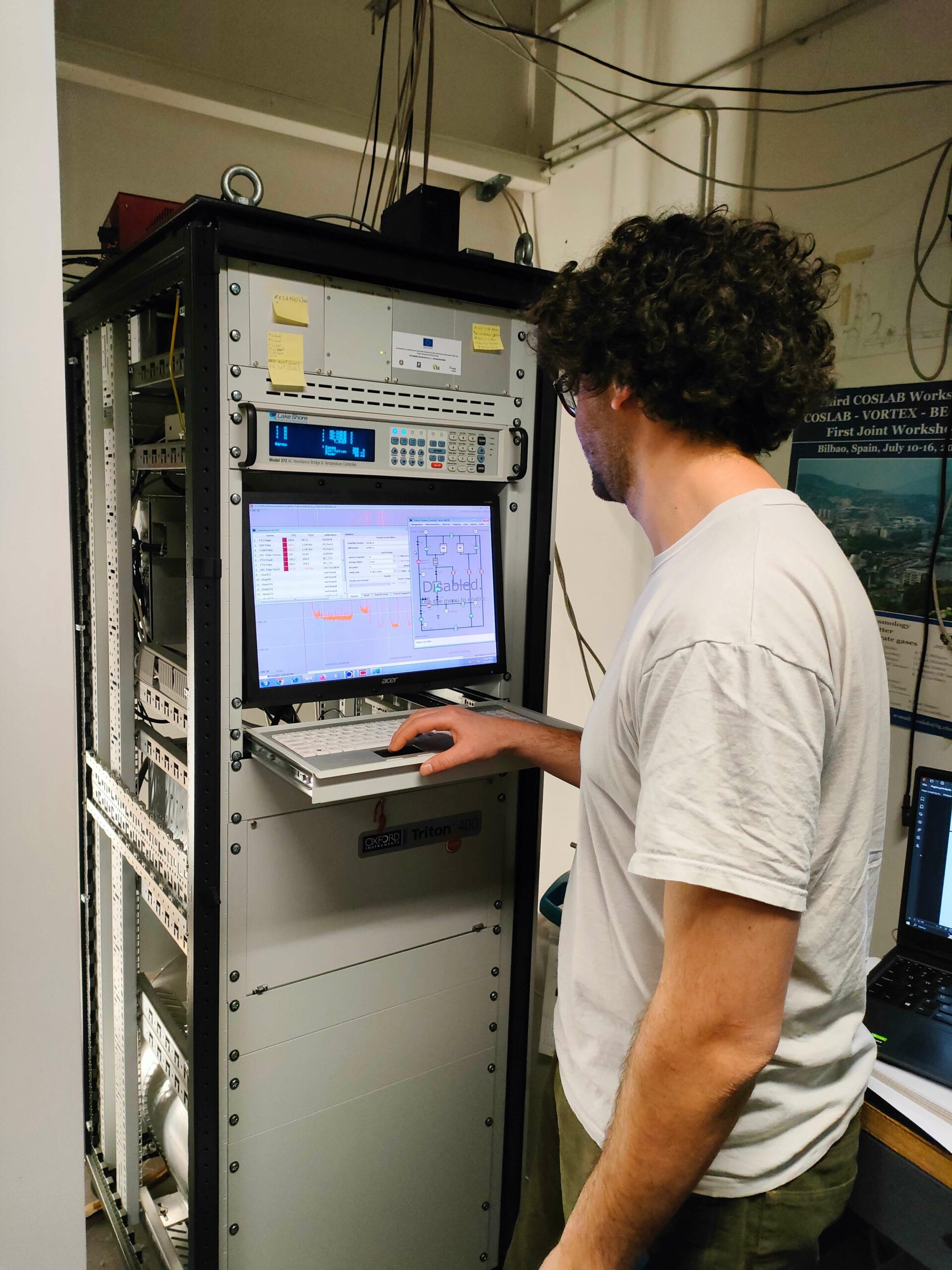
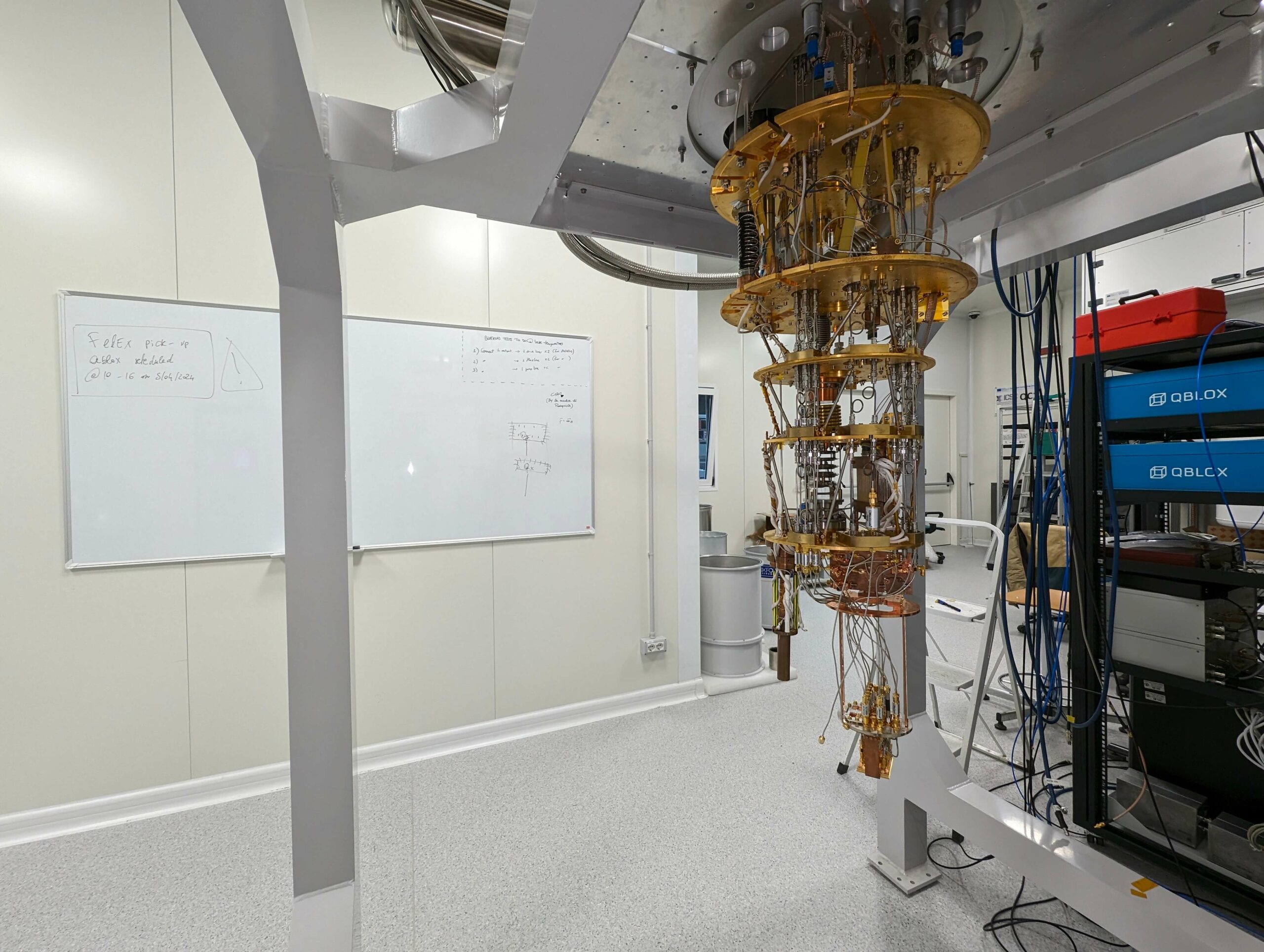
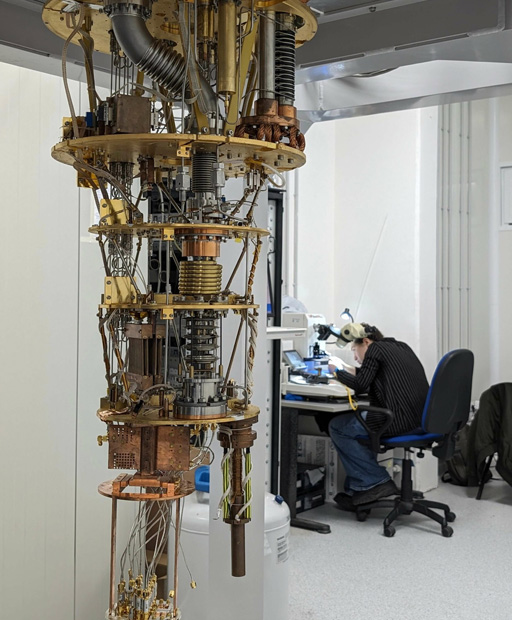
The Triton system is currently used for simultaneous experiments on superconducting quantum prototypal devices and for fundamental physics research activities: from the characterization and analysis of the physical processes in Josephson junctions with conventional or unconventional properties, up to the analysis and diagnostic of quantum processing units involving few qubits at a time, and cryogenic superconducting microwave components. We here ran in time several experiments tailored to address collaborative projects and to test home-made superconducting quantum chip designs.
The Teslatron system is optimized for DCmeasurments and fundamental research on superconducting thin films and Josephson junctions. The setup is designed for flexible transport measurements, supporting rapid device turnaround across a wide temperature window—from 300 K down to 1.5 K, and reaching 300 mK via a dedicated probe insertion. It is extensively used to investigate physical mechanisms in conventional and unconventional Josephson junctions.
Facilities
Oxford Instruments Triton 400 (Leucosia, nominal base temperature of 7 mK): Cryogen – free dilution refrigerator equipped with two main sample stages: one cold – finger dedicated to low – noise/ filtered transport measurements in a DC environment and one dedicated to RF experiments. DC setup: 4 – contact current – polarized setup (24 TWP filtered current/ voltage cryo – lines + 24 TWP partially filtered current/ voltage cryo – lines) to measure up to 6 samples at once. RF setup: 12 RF attenuated / filtered input lines+2 RF amplified (HEMT@ 4 K) output lines; sample package to measure up to 5 tunable transmon qubits simultaneously + thermally anchored bracket for TWPA and microwave superconducting devices characterization. A wide range of room-temperature electronic instruments completes this system.
Oxford Instruments Teslatron PT & VT50: a cryogen-free superconducting magnet system equipped with a Variable Temperature Insert (VTI), dedicated to low-noise DC transport experiments. The system features a versatile probe architecture operating at a base temperature of 1.5 K, which can be extended down to 300 mK using a dedicated insert. Designed for rapid sample turnaround and high measurement efficiency, the setup includes filtered current- and voltage-biasing lines to perform multi-terminal transport characterization on thin films and Josephson junction arrays.